Tactical Climbing & Abseiling: Operational Reality vs. Safety Standards
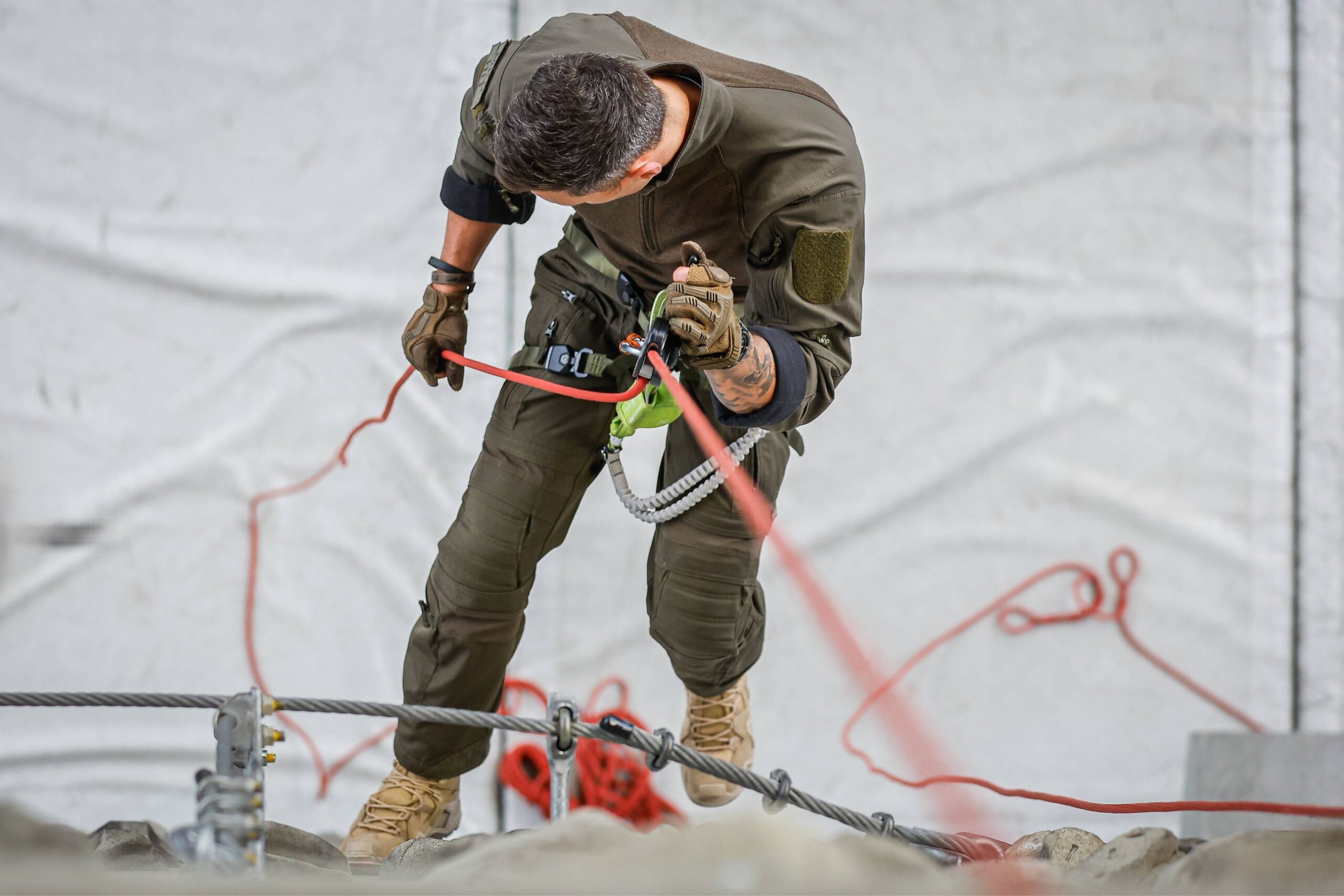
Personal Protective Equipment and Work Safety Gear might be rooted in rope techniques and industrial safety standards, but once you step into tactical terrain, the game changes completely. Whether you’re moving through urban terrain, climbing mountainous terrain, or abseiling from a helicopter into a hostile zone, your gear and techniques need to reflect tactical realities, not just technical compliance.
In this article, we’ll explore how tactical requirements differ from standardized work safety norms, why it matters, and how equipment must evolve to meet both worlds. We’ll also take a close look at the real gear used in modern tactical climbing and abseiling setups and what sets it apart.
In this Blog you will find:
- The Real-World Demands of Tactical Climbing and Abseiling
- When Norms Aren’t Enough
- Mission-Critical Gear for Tactical Climbing and Abseiling
- Safety, Redefined for the Tactical World
- Train As You Fight
- Gear Development: Bridging Tactical and Industrial Standards
- Choose Your Gear Based on Your Mission, Not on Marketing
The Real-World Demands of Tactical Climbing and Abseiling
In controlled environments, everything is measurable: load ratings, static lines, anchor points. But tactical climbing and abseiling happen in dynamic, unpredictable conditions—often under time pressure, stress, and limited visibility.
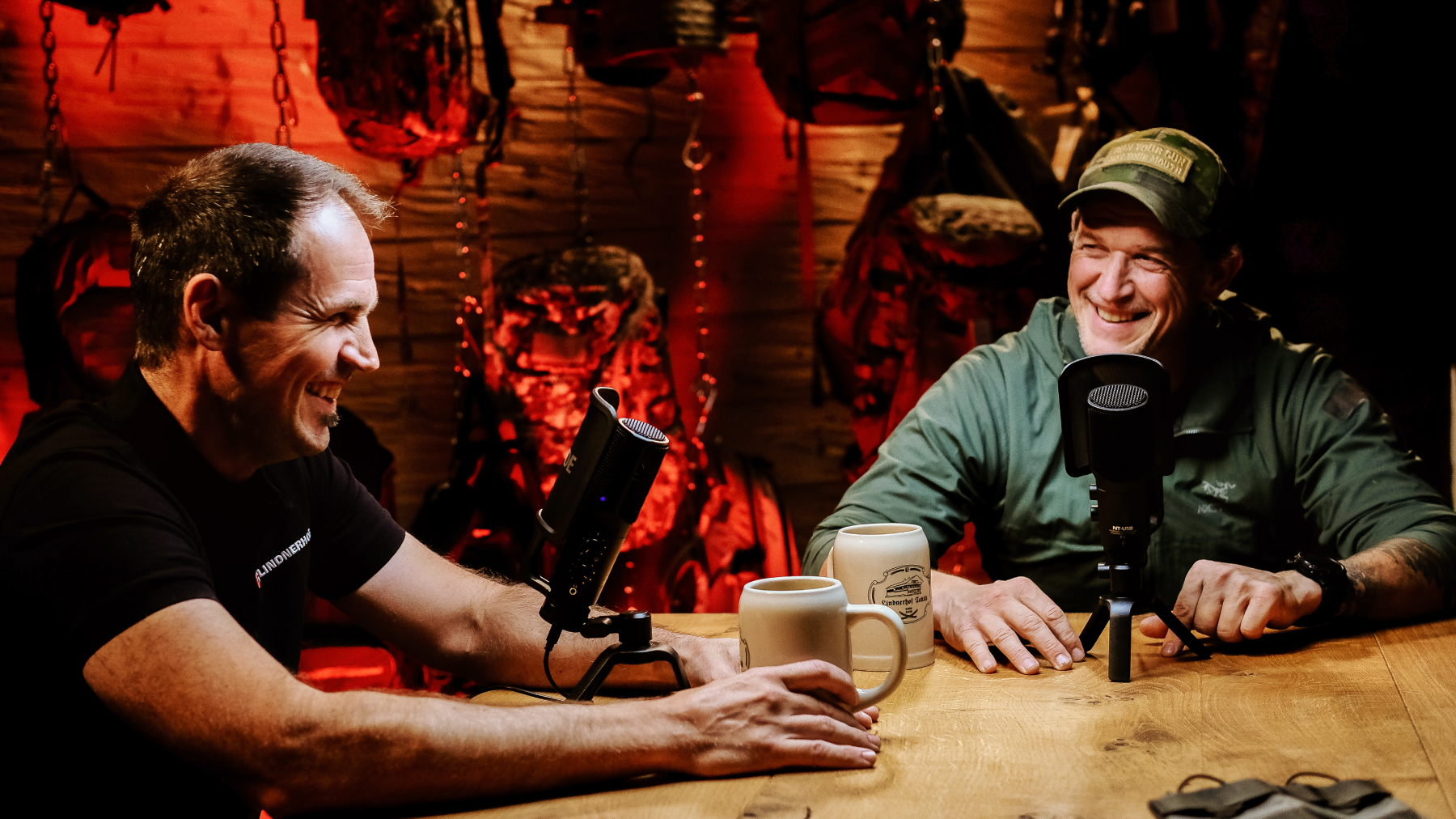
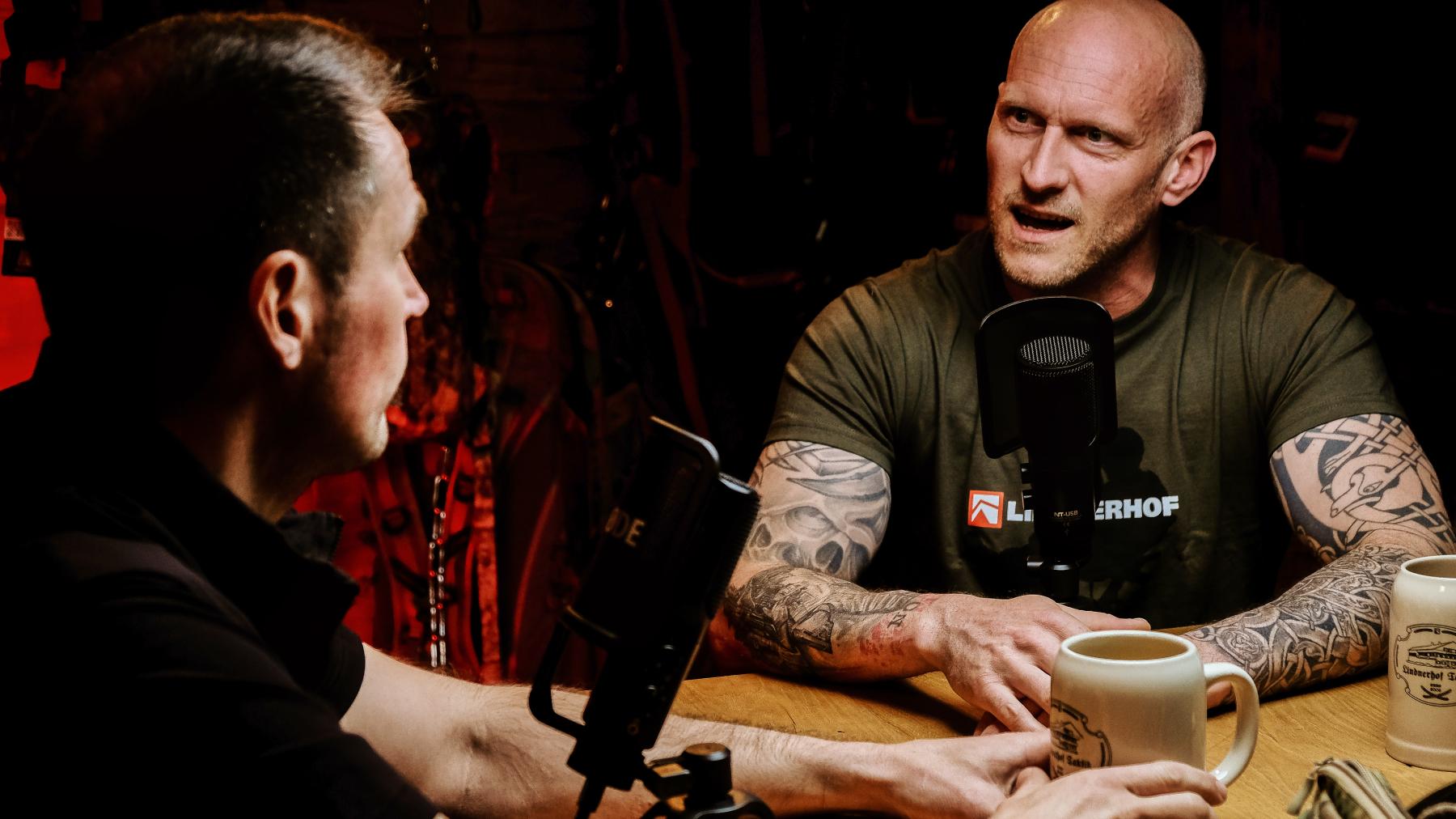
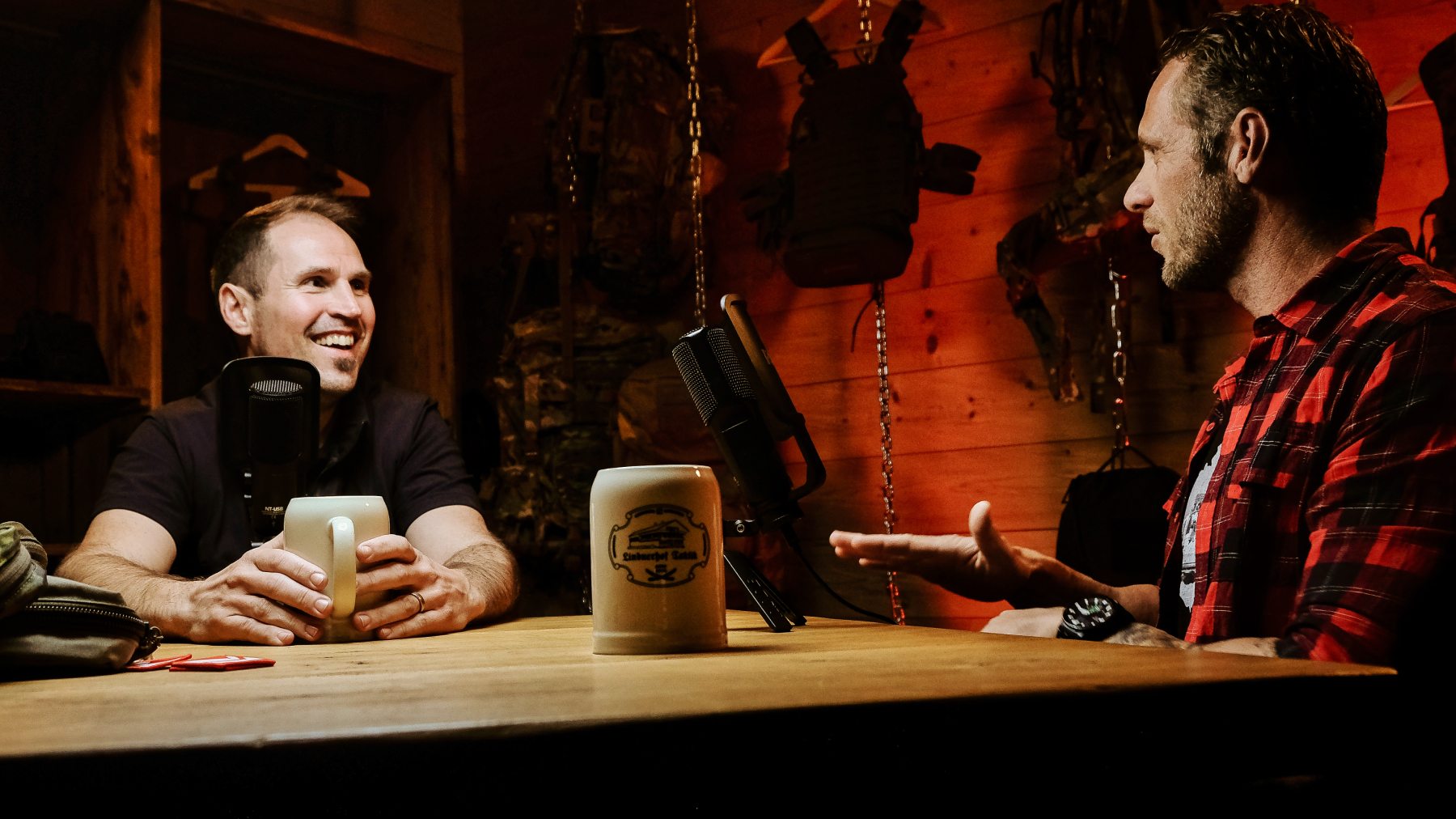
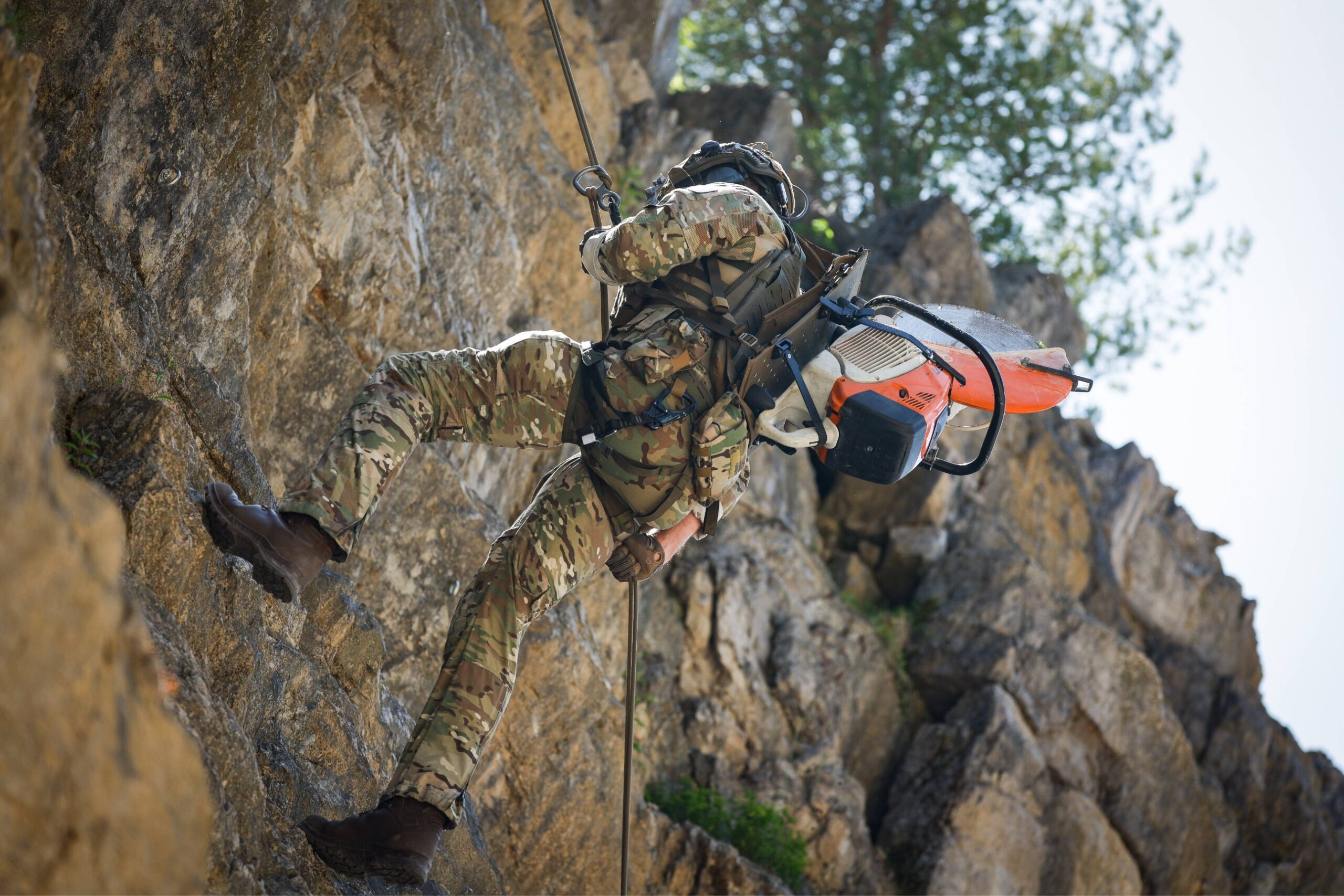
In our recent WARRIOR TALK, we heard firsthand how real missions push rope systems beyond the textbook. Picture this: you’re descending into a building from a rooftop with potential threats below, or you’re ascending a rock face with your team while managing full kit, weapons, and comms. It’s not just about technique—it’s about purpose-built solutions.
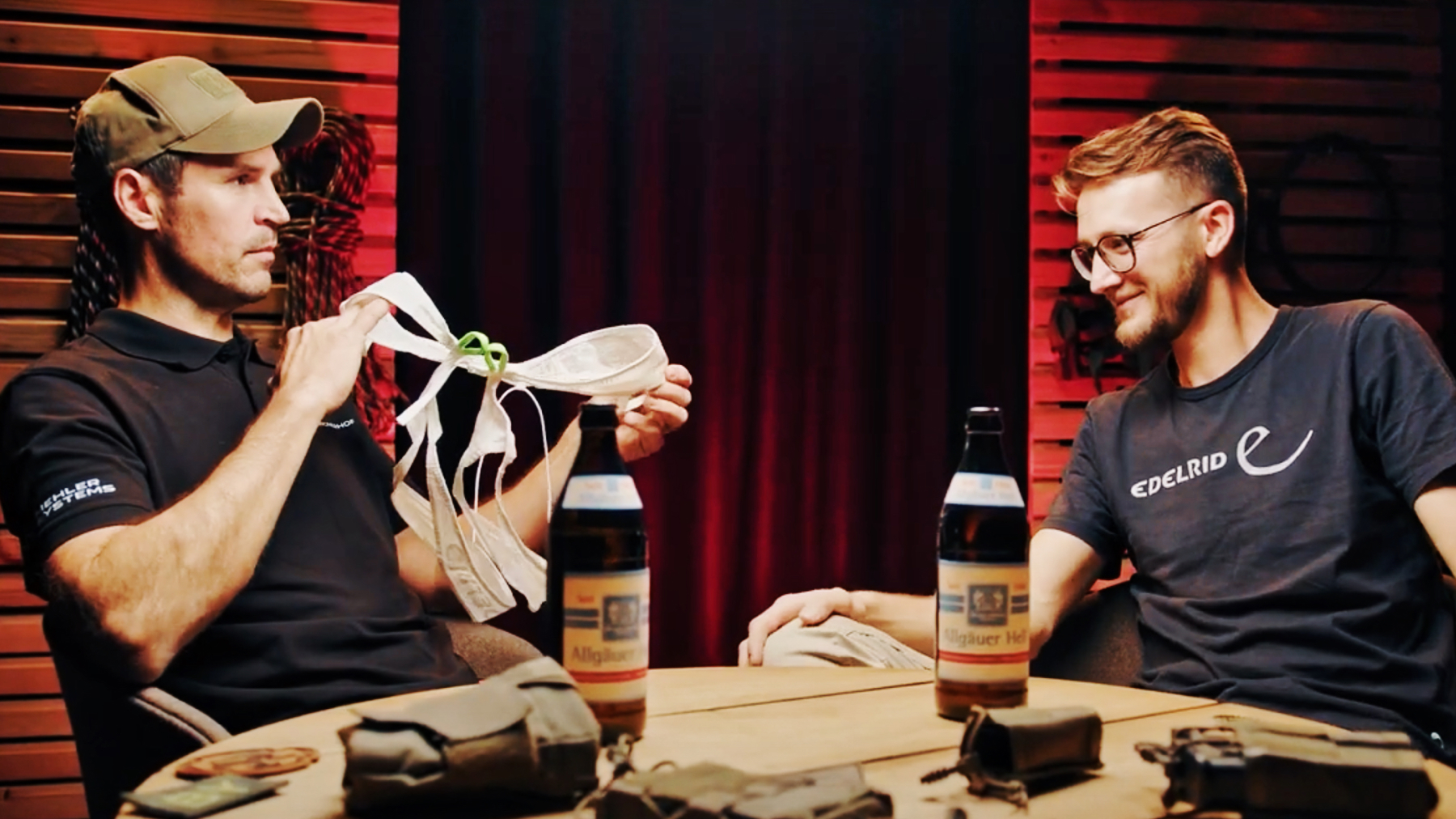
Want to dive deeper into the topic? Listen to the full conversation on our Warrior Talk: Tactical Climbing and Abseiling – The Real Requirements
When Norms Aren’t Enough
DIN, EN, UIAA—industry norms are there for a reason. They ensure consistency, safety, and accountability. But in tactical environments, those norms sometimes fall short. Why?
- The amount of tactical gear is not standardized: depending on the operation, users may carry heavier loadout than standard climbing certifications allow for.
- Rope Techniques Must Be Modular: In tactical operations, gear often needs to be quickly adaptable—switching between fast-roping, rappelling, or climbing within minutes.
- Environmental Variables Rule: Wet walls, loose anchor points, low-light conditions. These aren’t always factored into the controlled tests behind certifications.
That’s why real-life testing and scenario-based training matter just as much as meeting norms. In tactical situations, gear has to perform under pressure—no exceptions.
Mission-Critical Gear for Tactical Climbing and Abseiling
When it comes to vertical access in tactical operations, gear isn’t just about strength ratings, it’s about context.
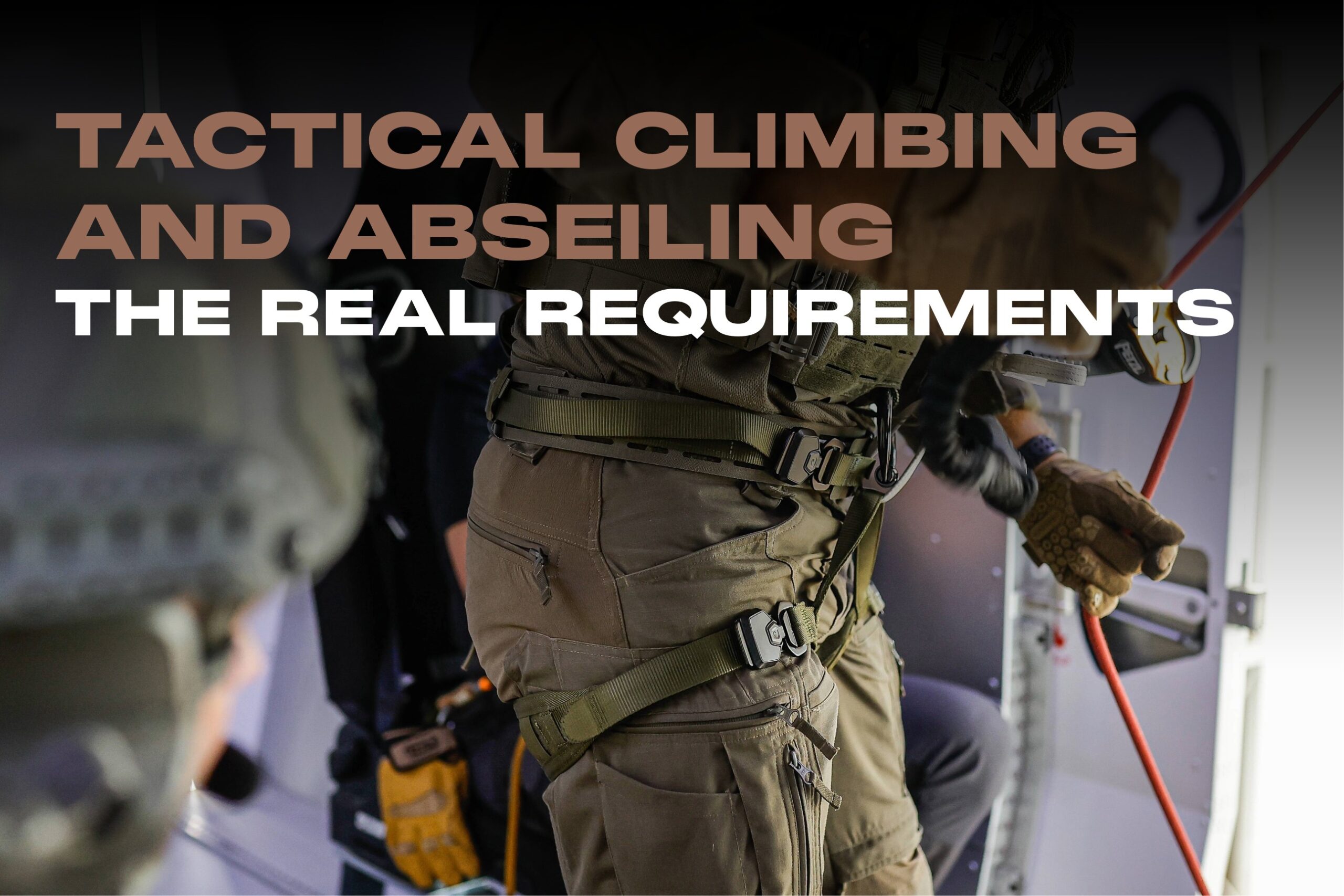
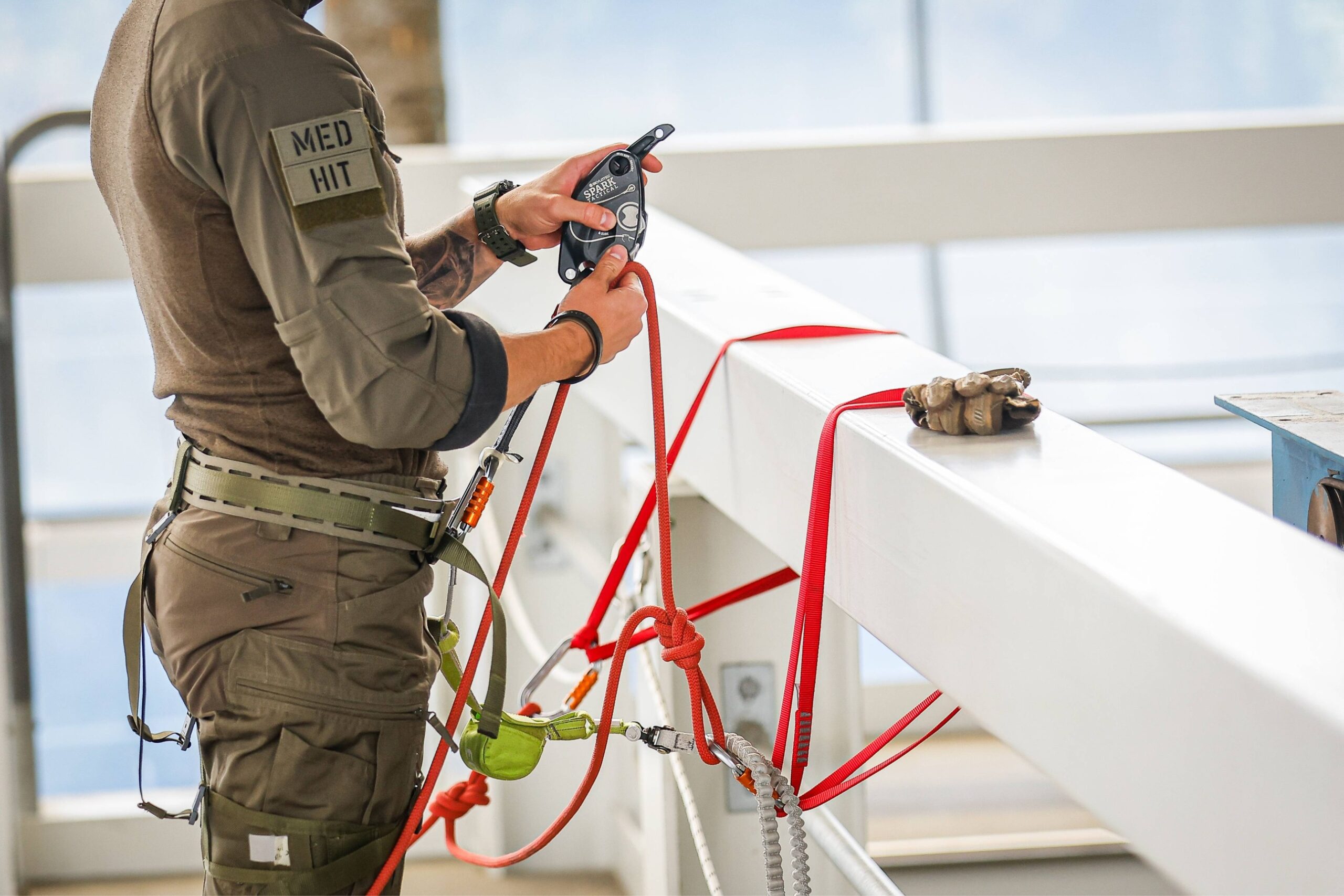
- Modularity is essential: Operators must be able to clip in, reposition, and transition with minimal movement and noise. Harnesses, belts, and leg loops must be lightweight yet supportive, compatible with plate carriers, and easy to adjust on the fly.
- Durability in real-world use: Tactical gear faces harsher conditions than industrial setups—sharp edges, rough terrain, weapon snag points. That’s why abrasion resistance, reinforced stitching, and streamlined profiles matter just as much as load capacity.
- Silent operation: Any unnecessary rattle, clink, or flap could compromise stealth. Tactical gear is often designed with noise discipline in mind, using covered buckles, reduced metal-on-metal contact, and coated hardware.
- Mobility under load: Tactical operators often climb with a full combat load—weapon, comms, hydration, and armor. That means gear must be distributed to reduce fatigue and allow full range of motion. Systems like the Shikari Grid distribute load efficiently without restricting movement or bloating the profile.
The key takeaway? Tactical climbing and abseiling gear is engineered with very specific realities in mind. Realities that industrial norms don’t fully capture.
Safety, Redefined for the Tactical World
Safety in tactical climbing and abseiling isn’t just about fall prevention. It’s about the ability to survive and operational continuity.
Key considerations are:
- Redundancy vs. Speed: In some tactical settings, a fast setup trumps a perfectly redundant one. Operators must weigh the mission against potential failure points.
- Risk Acceptance: Unlike civilian users, tactical teams consciously take higher risks to achieve operational targets.
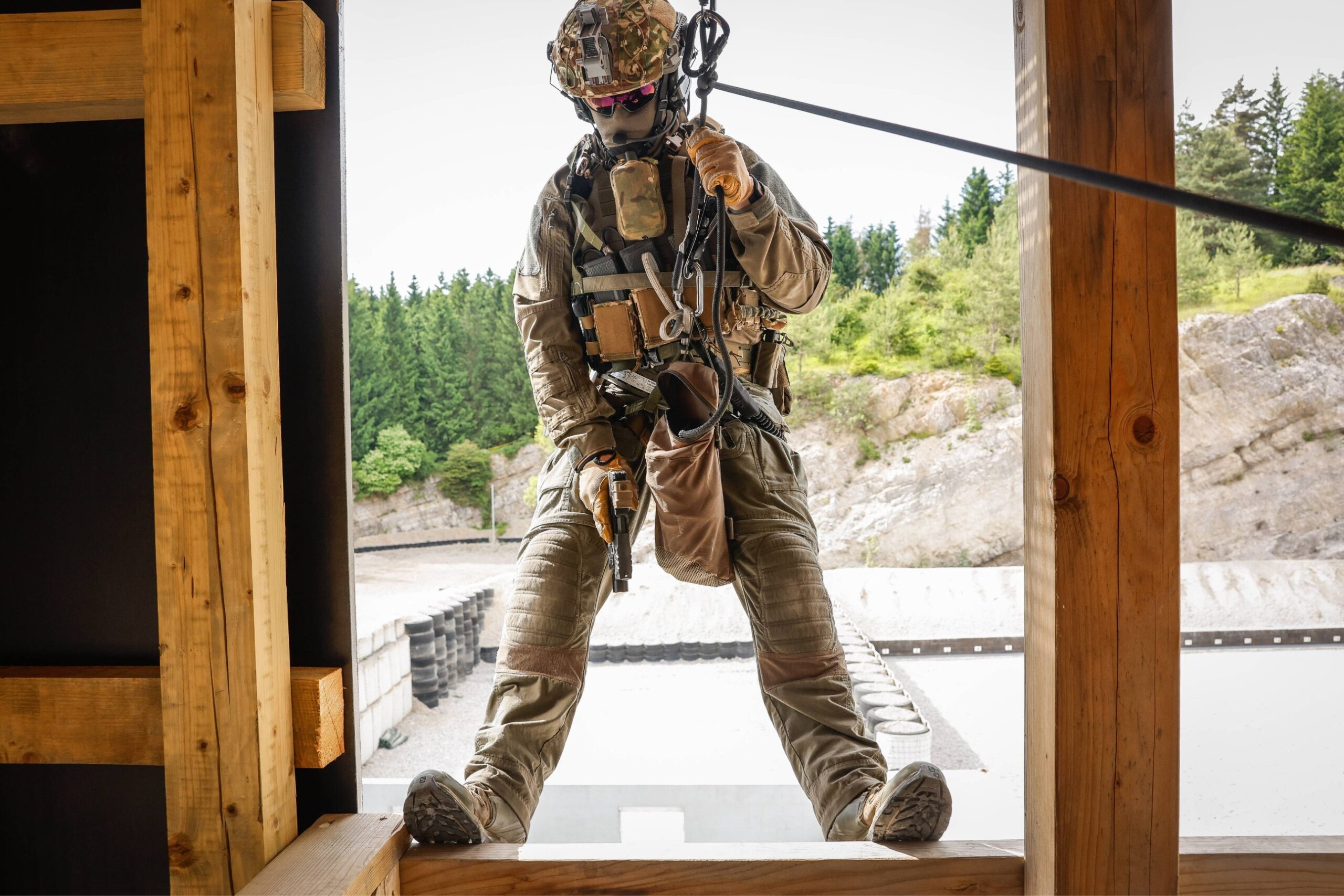
- Training and Familiarity: In high-stress environments, simplicity wins. Gear must be intuitive, even in the dark, under fire, or with gloves on.
This philosophy: adapting safety to fit tactical reality, is at the heart of how teams train.
Train As You Fight
Tactical climbing and abseiling can’t be mastered in the comfort of a climbing hall. Real training means:
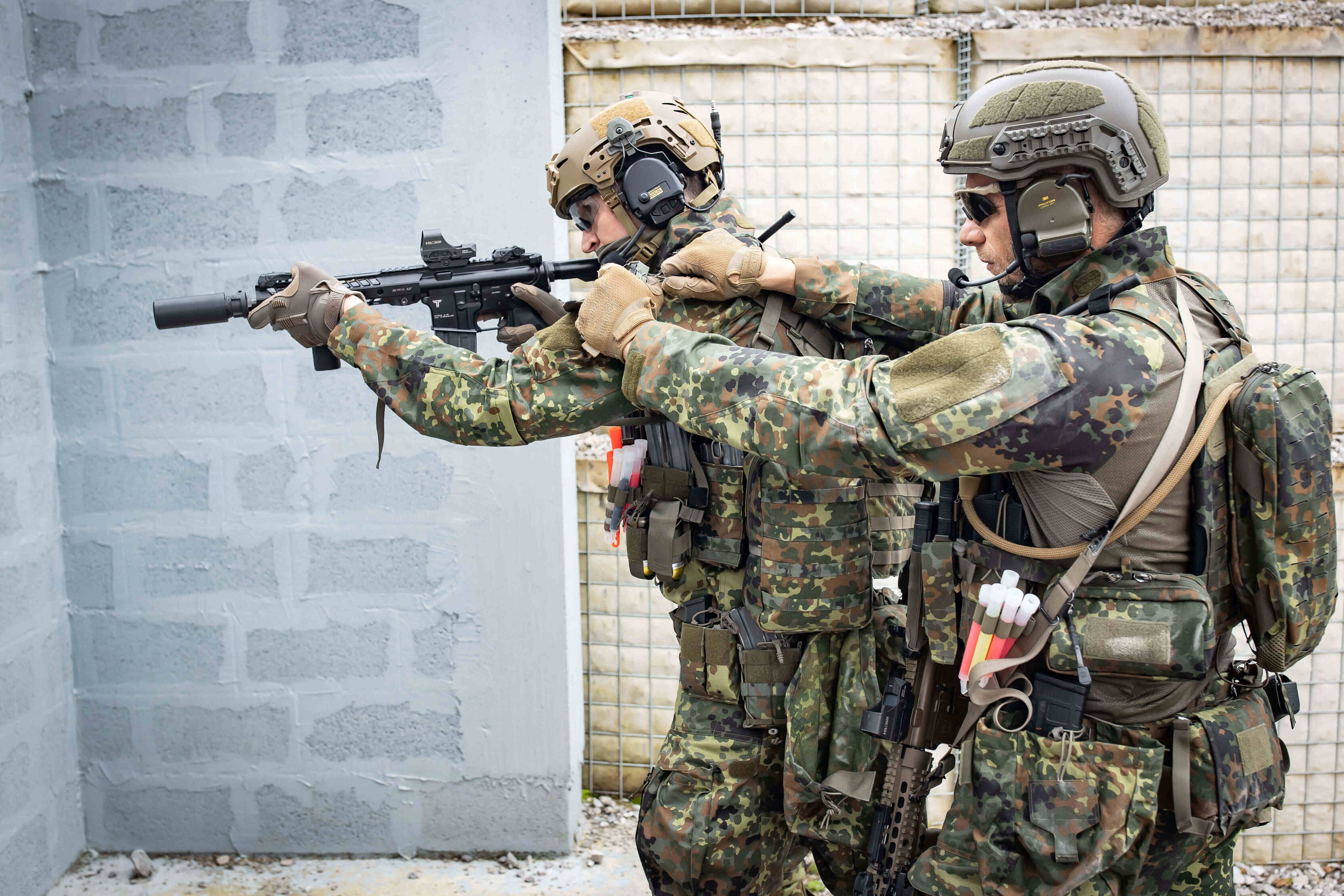
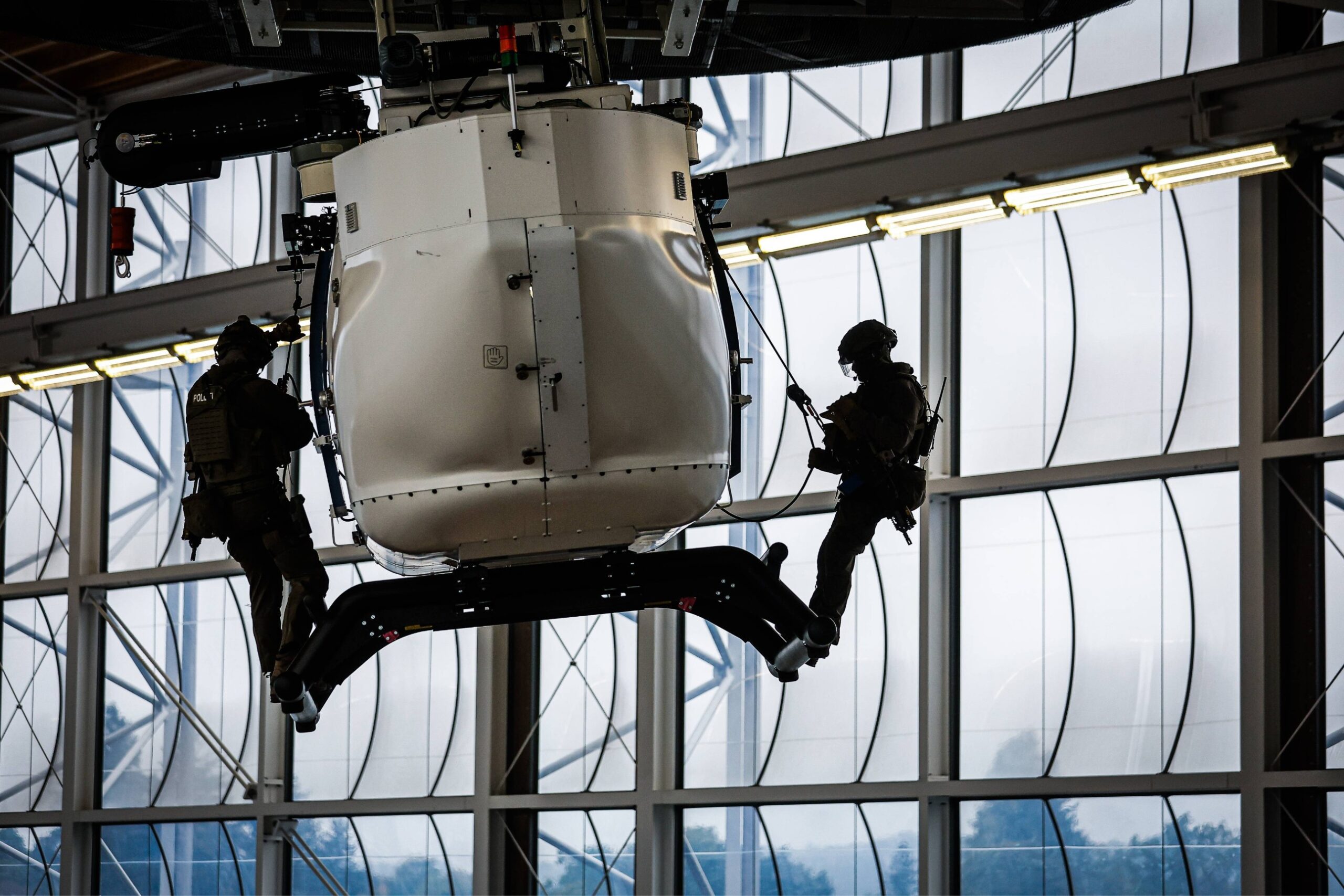
- Wearing your full loadout: Helmet, gloves, rifle, comms, hydration. Train exactly how you’ll operate.
- Simulating stress: Night conditions, rain, exhaustion. Build competence when it counts.
- Failing safely: What if an anchor fails? What if your descender jams? Learn to solve problems before they happen.
The key truth: practice with your real gear, in your real context. The difference between theory and execution can be life or death.
Gear Development: Bridging Tactical and Industrial Standards
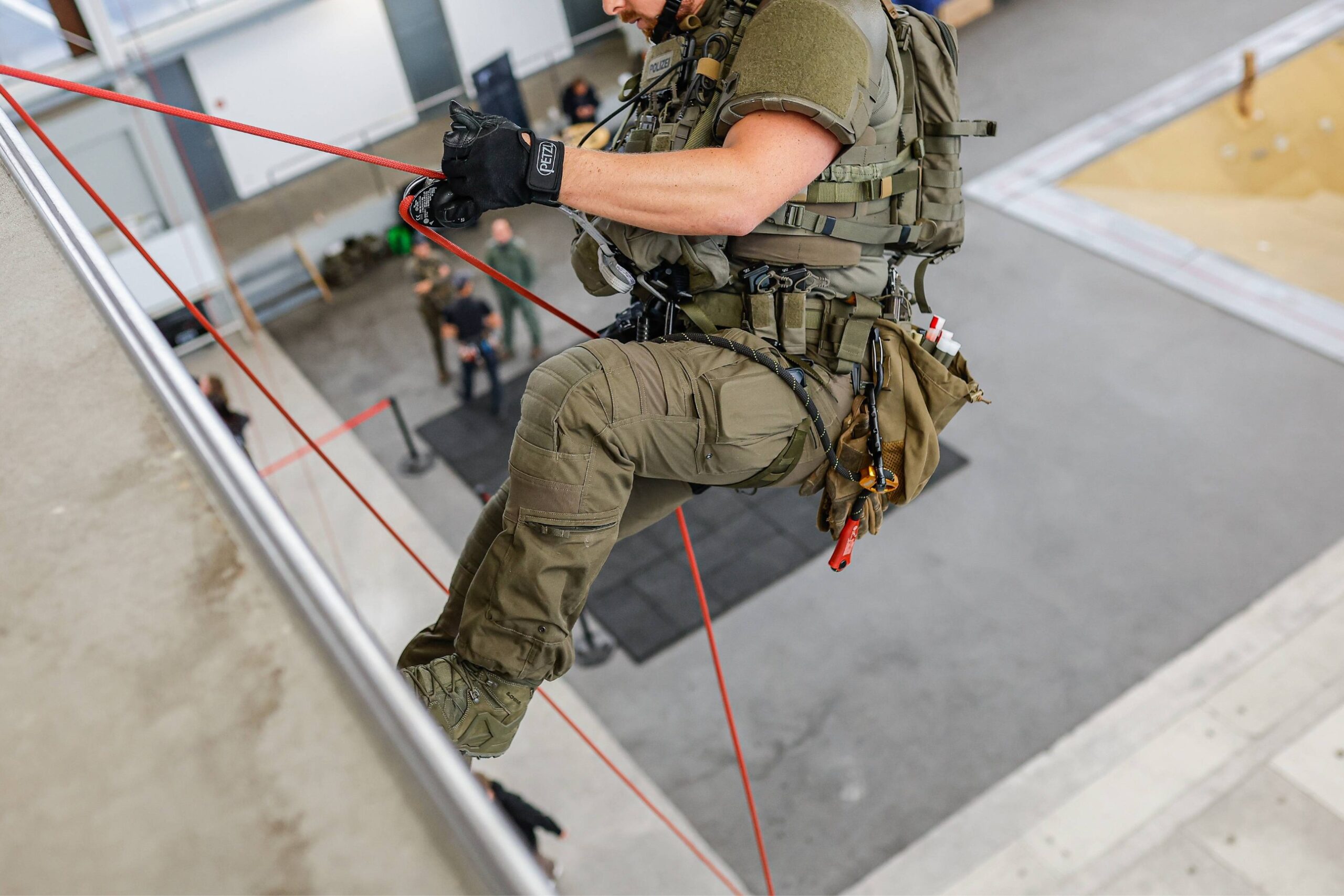
Bridging the gap between tactical use and certified safety norms is one of the biggest challenges in gear development. The gear must not only meet industrial certification standards like EN or UIAA, but also fit seamlessly into a tactical loadout.
That means:
- Ergonomic design that accommodates equipment and armor
- Lightweight materials that don’t compromise on durability
- Certified components that are field-adaptable and intuitive
Example: The Edelrid SE Quick-Drop chest harness is designed for quick donning and doffing, even when wearing gloves or full gear. It is still tested to industry standards. It is designed to provide maximum mobility on the rope while still allowing full access to your tactical gear.
Alternatively, there is the Edelrid SE Shikari Grid belt, which is available with either a Cobra buckle or a Triple Lock buckle. This belt combines modular equipment with holding forces that meet industry standards. Together with the Shikari Grid leg loops, it creates a lightweight, compact system that can be worn all day without restricting mobility — a far cry from bulky work safety equipment.
But even the best gear is only as good as the operator using it. Which brings us to the final point…
Choose Your Gear Based on Your Mission, Not on Marketing
If there’s one message from our podcast worth repeating, it’s this: let the mission dictate the equipment, not the other way around.
In tactical climbing and abseiling, that means understanding the why behind every rope, every buckle, every anchor. It’s not about what’s cool, it’s about what works when it matters most.
So the next time you’re evaluating your vertical access kit, ask yourself:
- Can I use this in the dark, with gloves on, while under stress?
- Is the hip belt and chest harness compatible with your other equipment?
- Do I trust this system with my life—and the lives of my teammates?
If the answer isn’t yes across the board, it might be time to rethink your setup.
Remember: Your gear isn’t just gear, it’s a lifeline. That’s why bridging the tactical requirements with certified norms isn’t just smart engineering, it’s an operational imperative.