First up: Eberlestock – selected packs with up to 30% off.
Offer period: 13 July – 13 September 2026 | ONLY while stocks last | ONLY at hqg.de
Tactical gear has come a long way—from basic fabric uniforms to high-tech, mission-specific systems designed for modern combat environments. What hasn’t changed is the fundamental goal: balancing protection with mobility.
This guide breaks down the key elements of choosing tactical gear that works for your mission—covering everything from mission-specific loadout planning to modularity, mobility, and comfort. Whether you’re preparing for urban operations, long-range patrols, or mounted missions, these insights will help you build a gear setup that performs when it matters most.
Every mission profile demands different tactical gear requirements. The first step in building your tactical gear loadout is understanding the operational context:
Your tactical gear is only as effective as its alignment with your mission. Start with the objective—everything else follows. From there, determine what needs to be immediately accessible, what can stay in reserve, and how much you can delegate to teammates. Modular tactical gear systems allow you to scale your loadout without sacrificing mobility or capability.
Consider also the terrain, climate, and threat level. What works in urban settings may be ineffective in open terrain. Adapting your loadout based on surroundings ensures better performance and less fatigue.
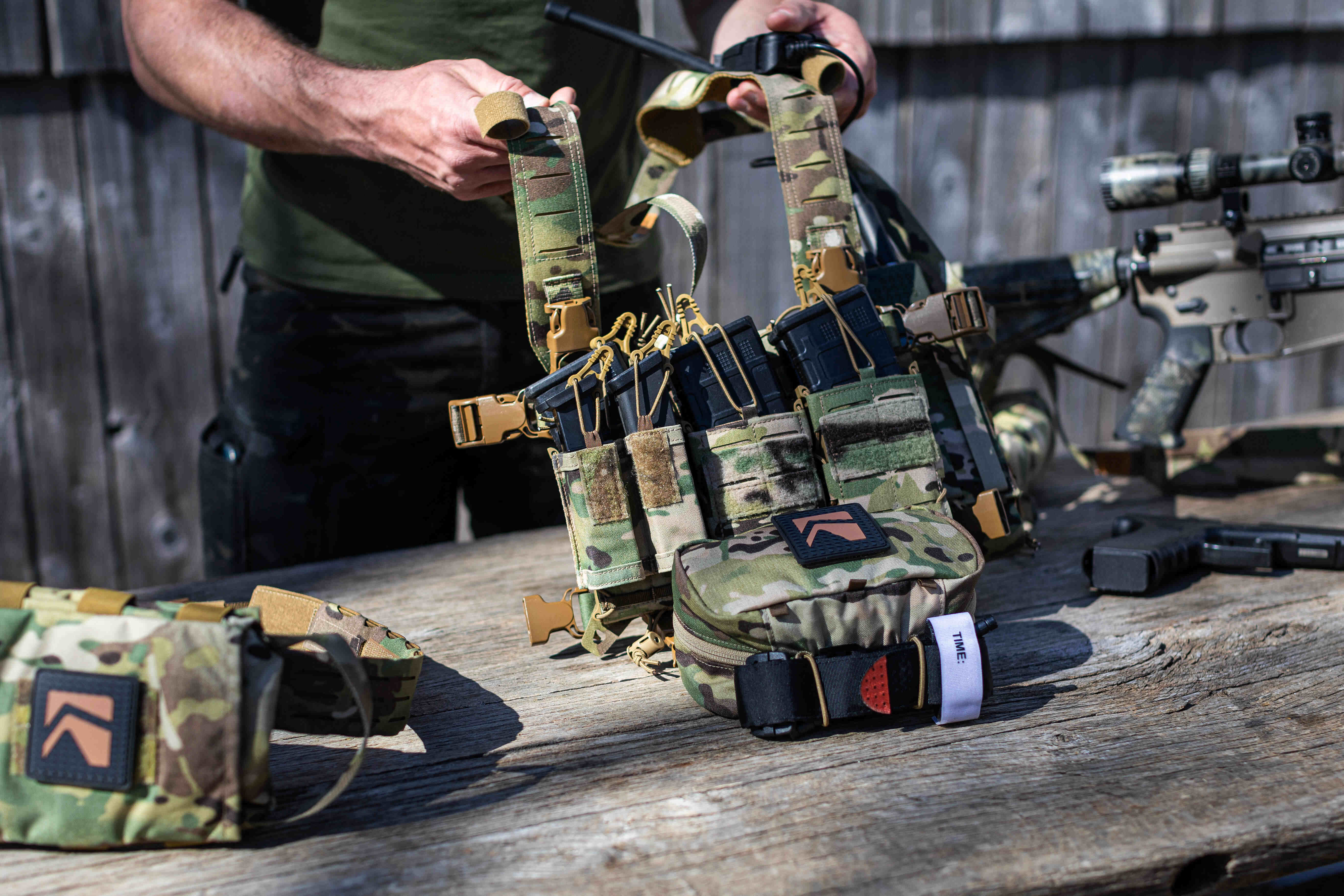
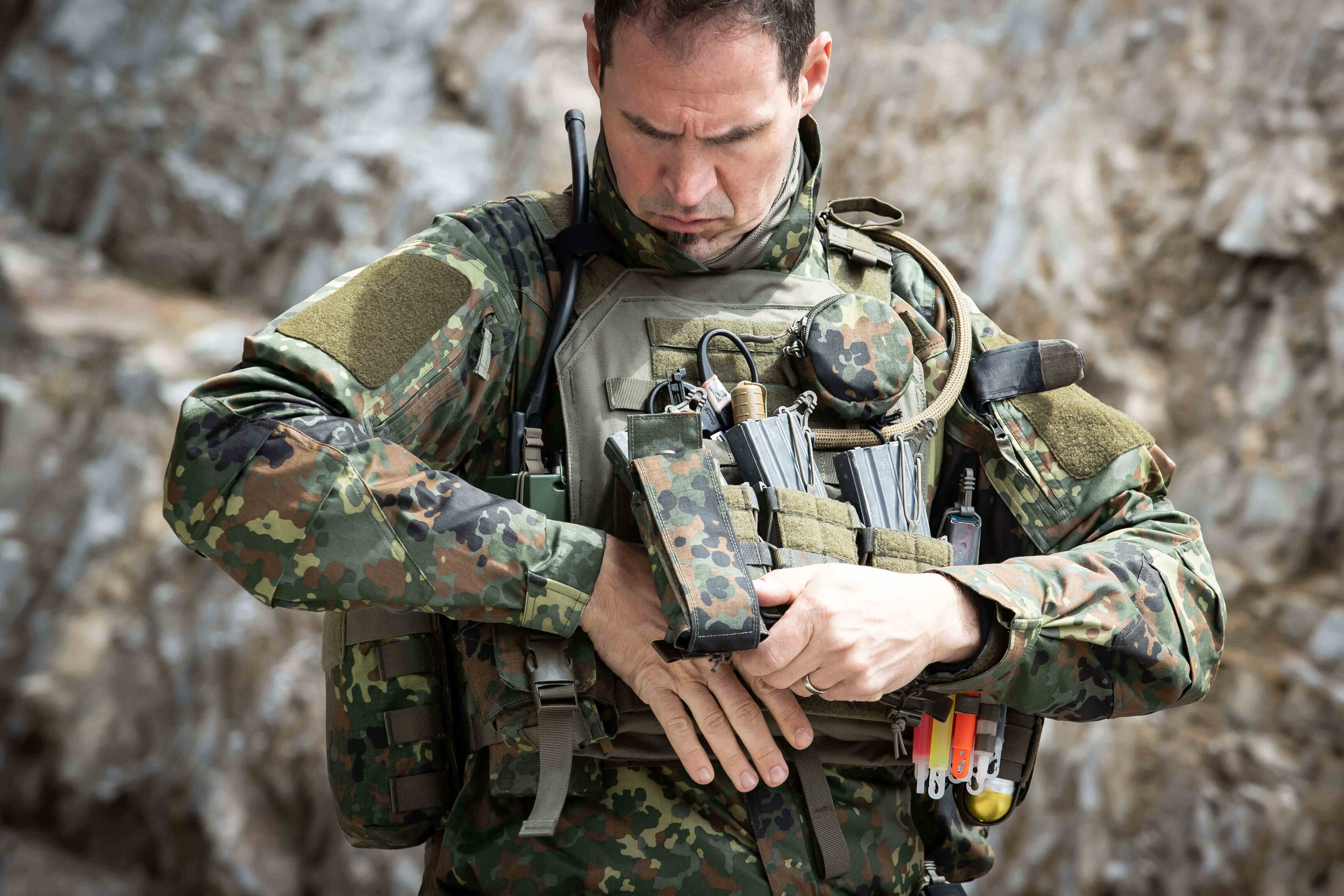
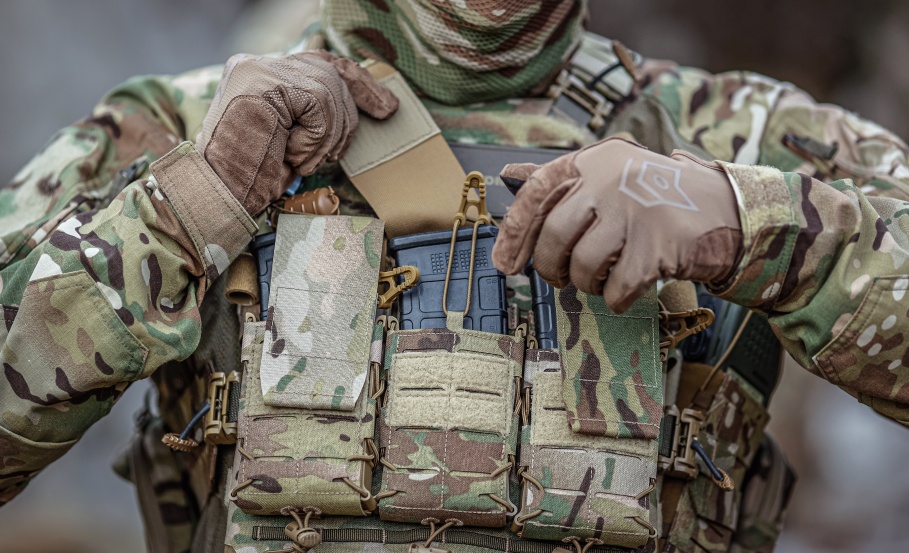
Your plate carrier or chest rig forms the backbone of your tactical gear setup. Choose based on your mission’s balance between protection and freedom of movement:
Ballistic plates also matter:
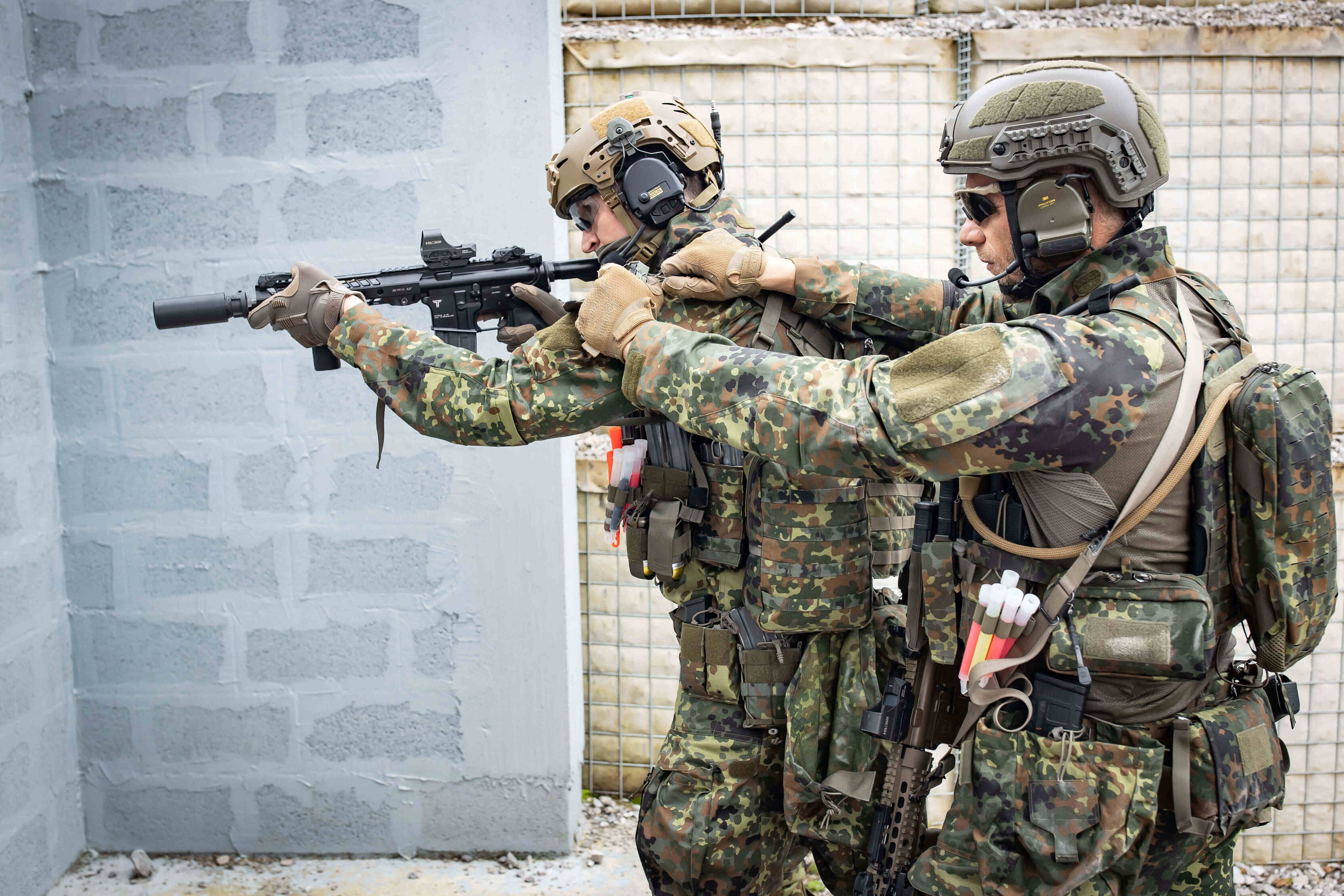
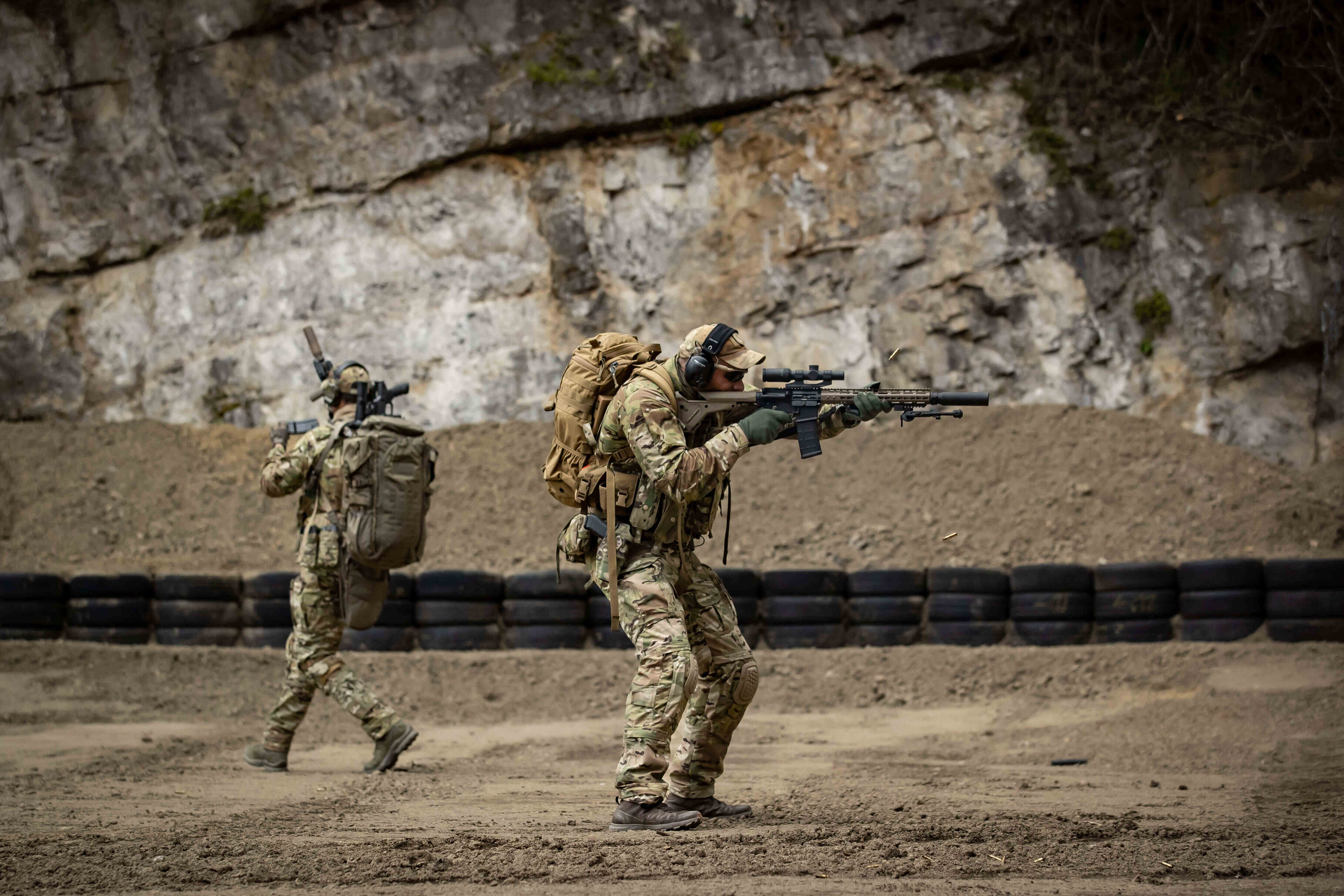
Consider the operational environment—what works on foot might be impractical in vehicles. Bulky tactical gear setups can limit mobility in confined spaces, while belt-mounted gear may hinder quick egress. Adapt your core setup to support smooth transitions between mounted and dismounted roles.
How and where you place your tactical gear directly impacts performance. Prioritise:
Modern tactical gear is designed with modularity in mind. Whether you’re using MOLLE/PALS systems, swappable pouches, or adjustable belt setups, you can configure your tactical gear to meet your exact needs.
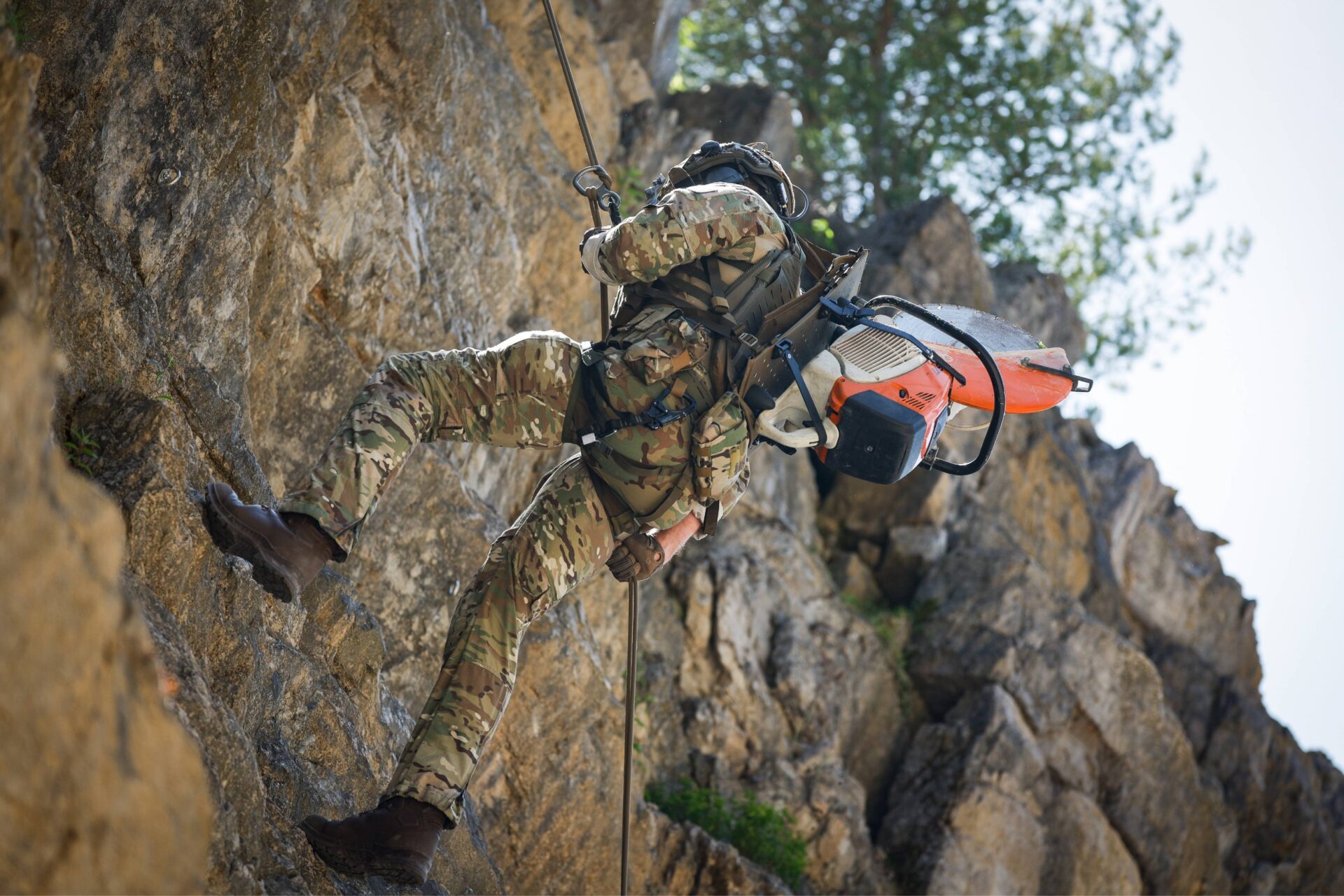
Mission-specific gear can make or break performance. Night vision, breaching tools, communication equipment, and drones all have their place—but only when necessary. Every addition should serve a clear function. The more equipment you carry, the more weight you add—and that weight affects speed, endurance, and stealth. Tactical gear should support your strategy, not dictate it.
On the other hand, under-equipping can leave you vulnerable in critical situations. Striking the right balance means knowing your objectives, understanding your environment, and gearing up accordingly.
Use drills to refine placement and accessibility. What feels right in the mirror may not work under stress.

Mobility is often a greater asset than protection alone. Lightweight tactical gear enables faster movement, longer endurance, and quicker repositioning—but only when it doesn’t compromise critical capabilities.
Speed can save your life—but tactical gear failure from cutting corners can cost it. Field-test everything before deployment. Some units have learned this the hard way—opting for lighter gear in training, cutting safety features for a fraction of a second’s advantage, only to face real-world failures when equipment doesn’t hold up under pressure.
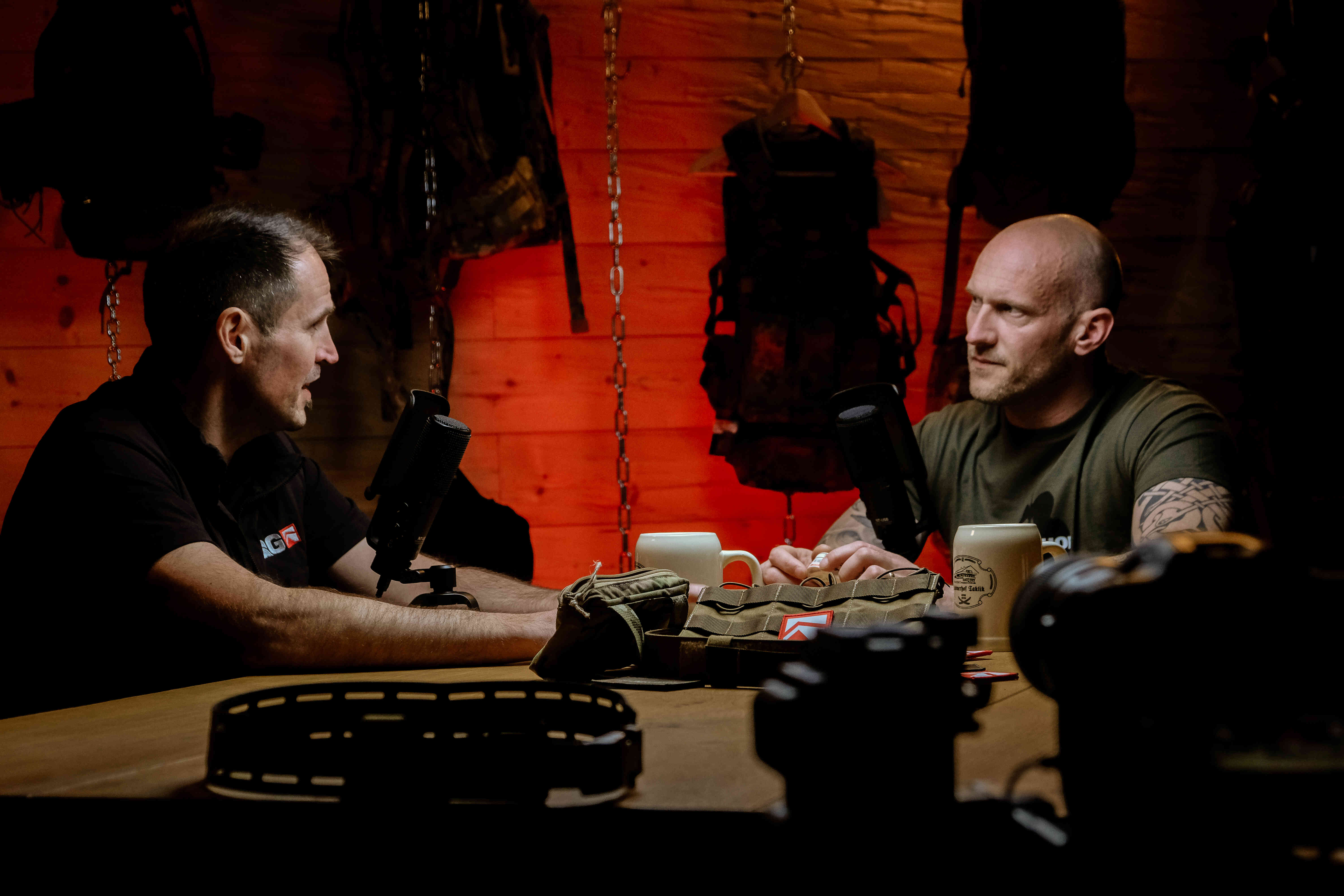
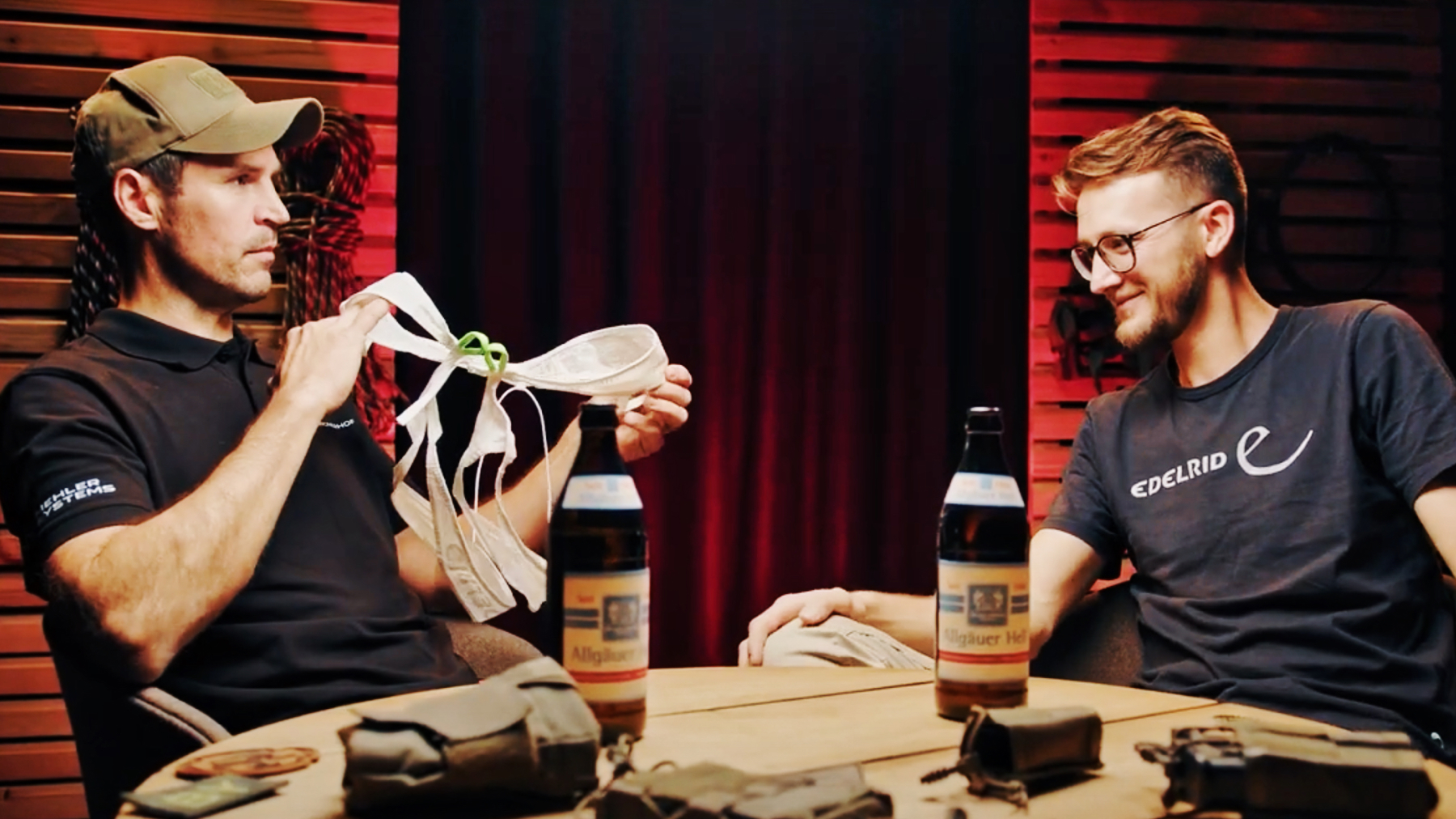
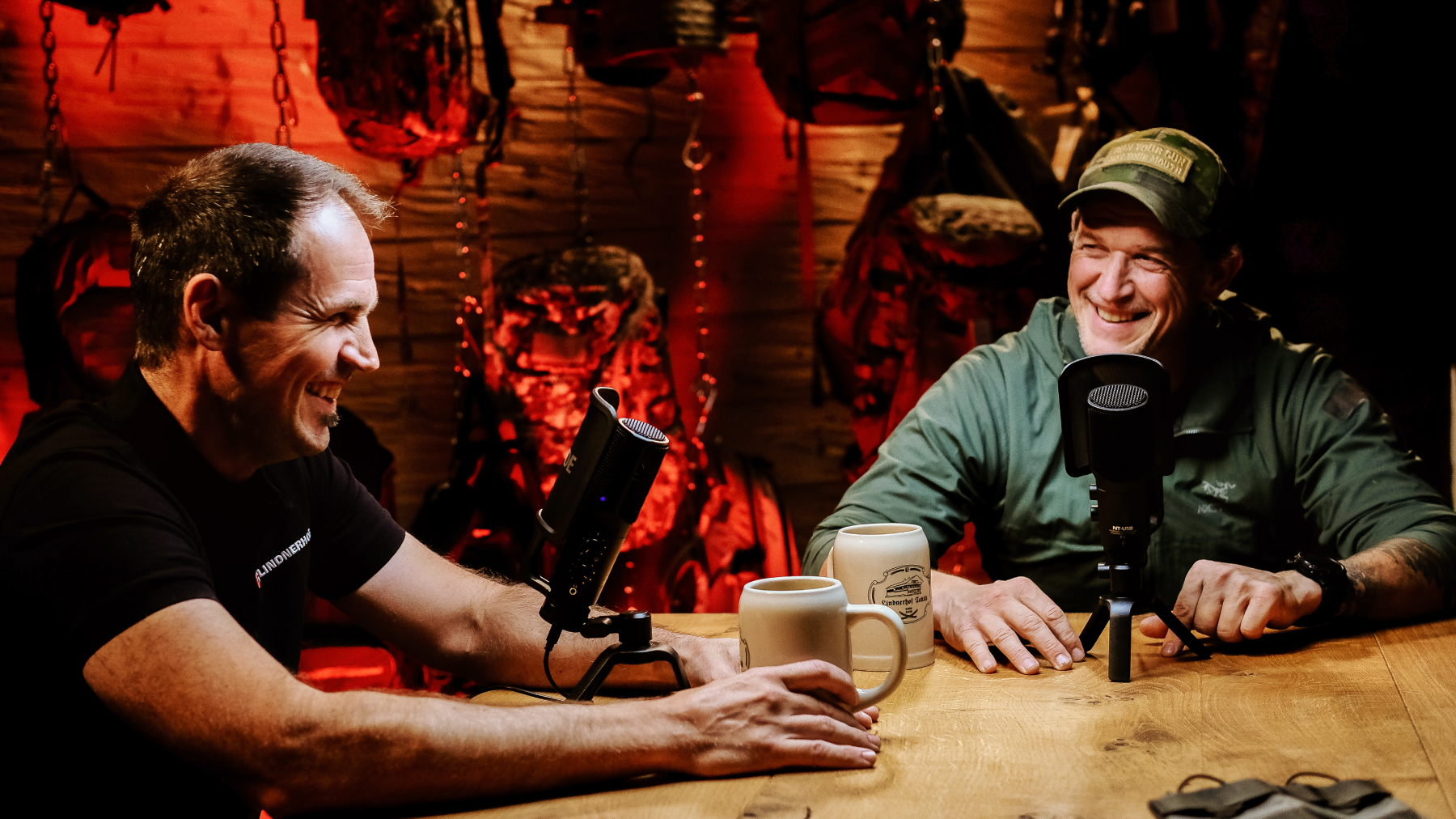
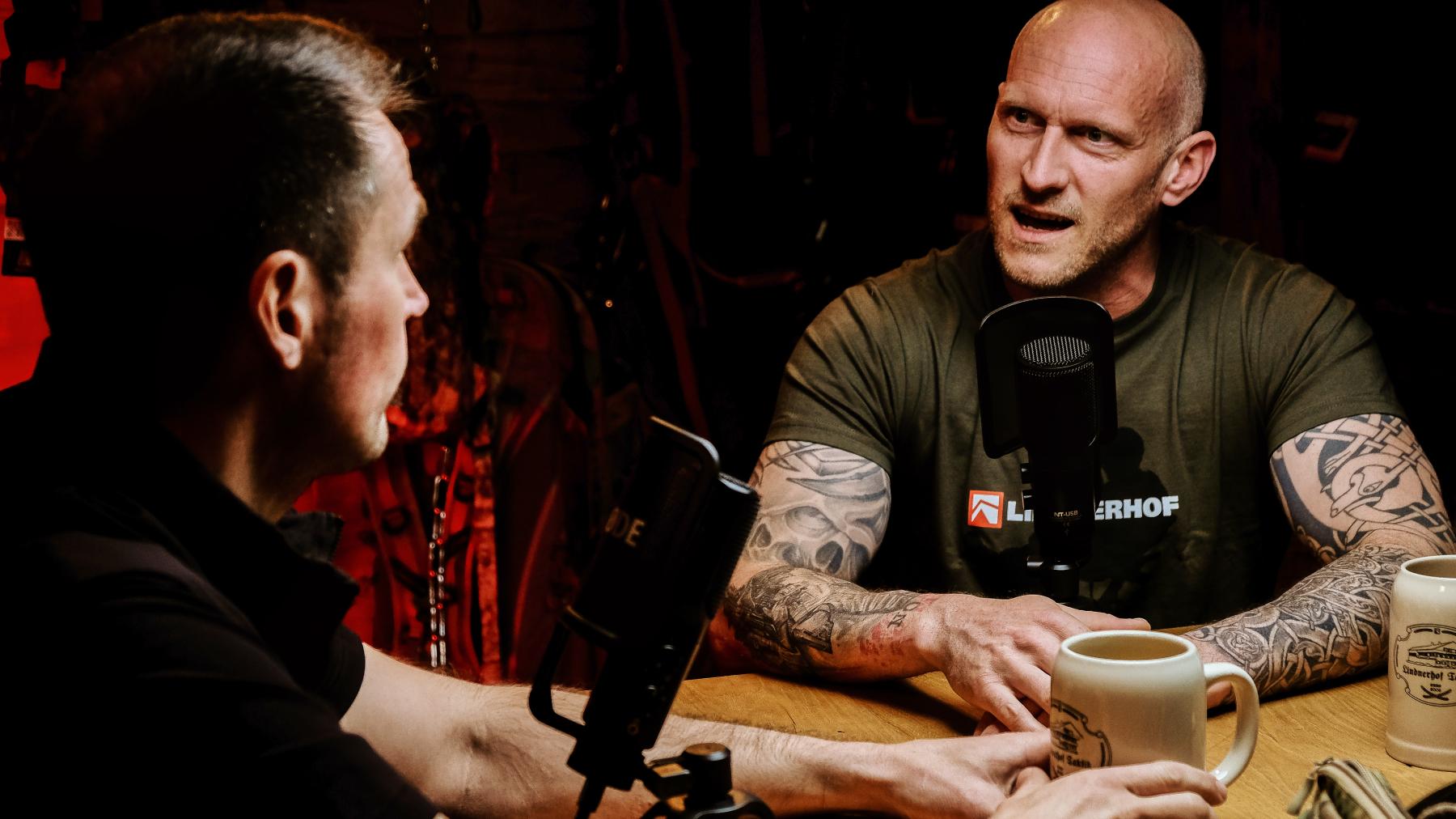
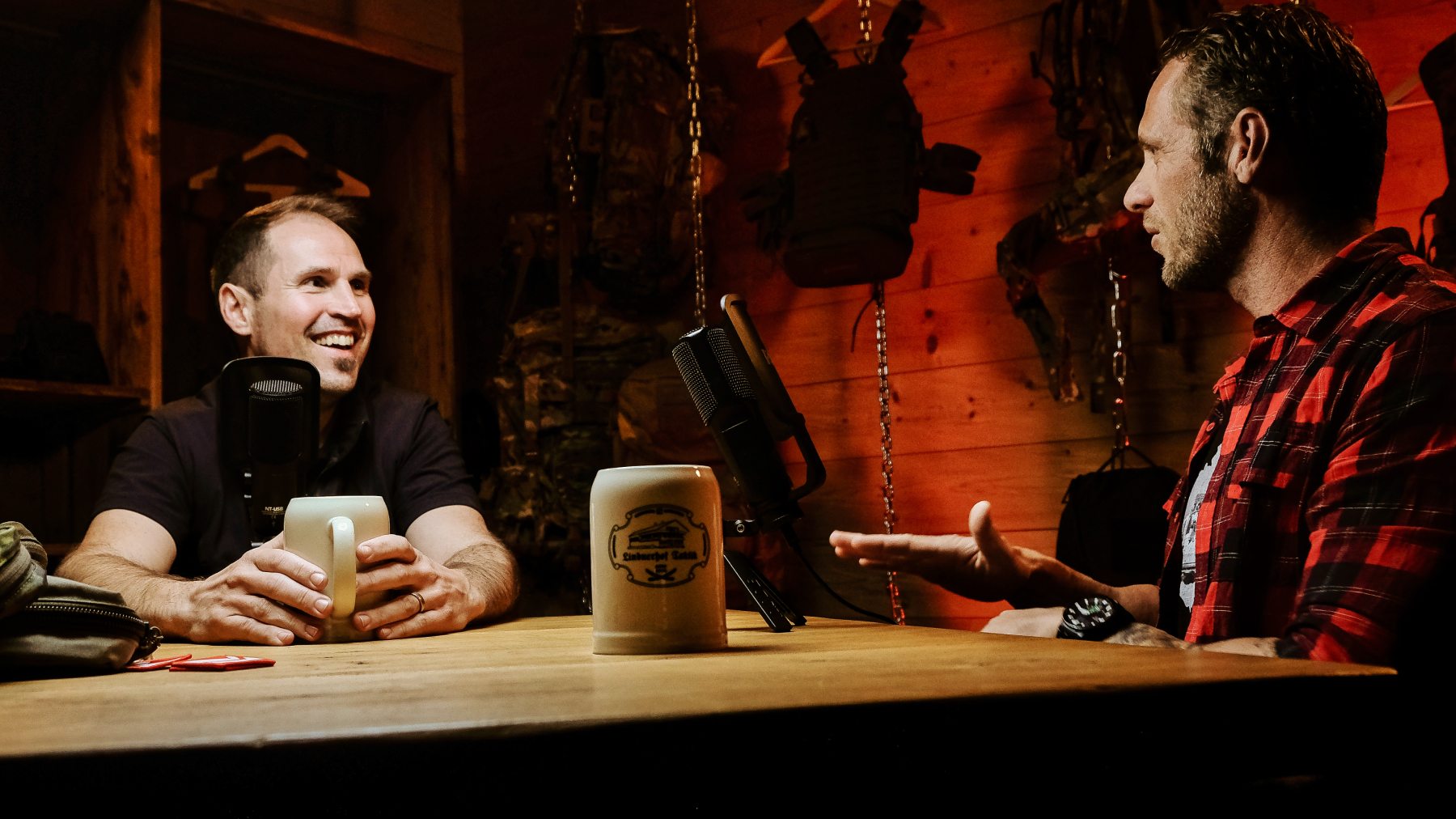
Check out our recent Warrior Talk podcast, where we take a deeper dive into the role of mobility in gear selection and how it can give you the edge in the field.
Tactical gear is only as good as your ability to use it under stress. Before deployment:
Small comfort improvements—better shoulder padding, moisture control, or ease of adjustment—can make a huge difference over time. If gear distracts you, it’s already working against you.
The more familiar you are with your tactical gear loadout, the more instinctively you’ll operate when every second counts.
Choosing tactical gear isn’t about trends—it’s about trust. Trust in your tactical gear, your training, and your mission. Define your objective, build your kit around it, and refine through repetition.