IFAK Pouch Guide: Ergonomics, Durability, and Rapid Deployment
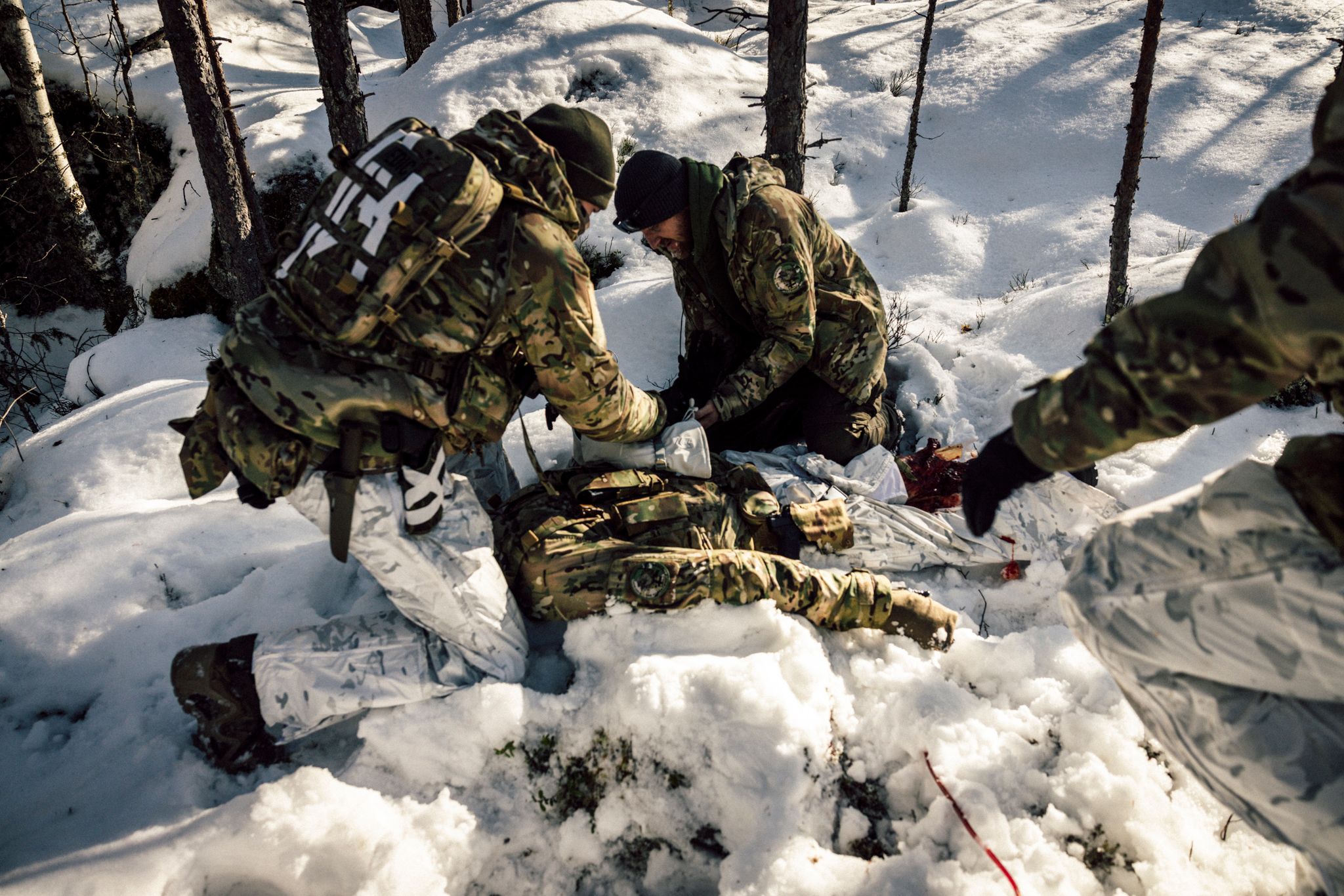
In a high-threat environment, a tourniquet that cannot be retrieved in seconds is as useless as one left at the FOB. When severe arterial bleeding occurs, life is measured in seconds, not minutes. Your Individual First Aid Kit (IFAK) pouch is not merely a storage bag. It is a deployment engine designed to deliver critical, life-saving medical supplies instantaneously within the “Platinum 10 Minutes” of point-of-injury care.
In this Blog you will find:
Why the IFAK Pouch Matters in High-Stress Trauma
Modern tactical casualty care prioritizes the MARCH protocol, placing Massive Hemorrhage at the absolute top of the intervention hierarchy. During a high-stress medical emergency, fine motor skills rapidly degrade. An effectively designed IFAK pouch must support gross-motor interventions under extreme stress. This requires intuitive, ambidextrous one-handed access, high-visibility medical identifiers, and clear internal indexing. Minimizing cognitive load allows operators and medics to deploy tourniquets, hemostatic dressings, and chest seals instantly, even in pitch-black conditions or when severely injured.
Materials, Build Standards, and Lifecycle Tradeoffs
Tactical medical pouches are exposed to demanding operational environments and must withstand abrasion, moisture, dirt, repeated handling and general wear while maintaining reliable access to critical medical equipment. Key quality indicators include the use of durable, purpose-designed materials, such as high-strength textiles, laminate constructions and other abrasion- and tear-resistant fabrics, combined with robust manufacturing standards and reliable retention and closure systems. Reinforced stitching, load-bearing grab handles and thoughtful construction can help maintain functionality under demanding conditions. Other important considerations include weight, pack size, modularity and environmental resistance. As a result, the design of a medical pouch often represents a deliberate balance between durability, weight, accessibility and long-term service life. When evaluating a tactical medical pouch, key criteria may include:
- Material and manufacturing quality
- Resistance to abrasion and environmental exposure
- Reliability of retention and closure systems
- Accessibility and ergonomic design
- Weight relative to the intended use case
- Maintenance requirements and expected service life
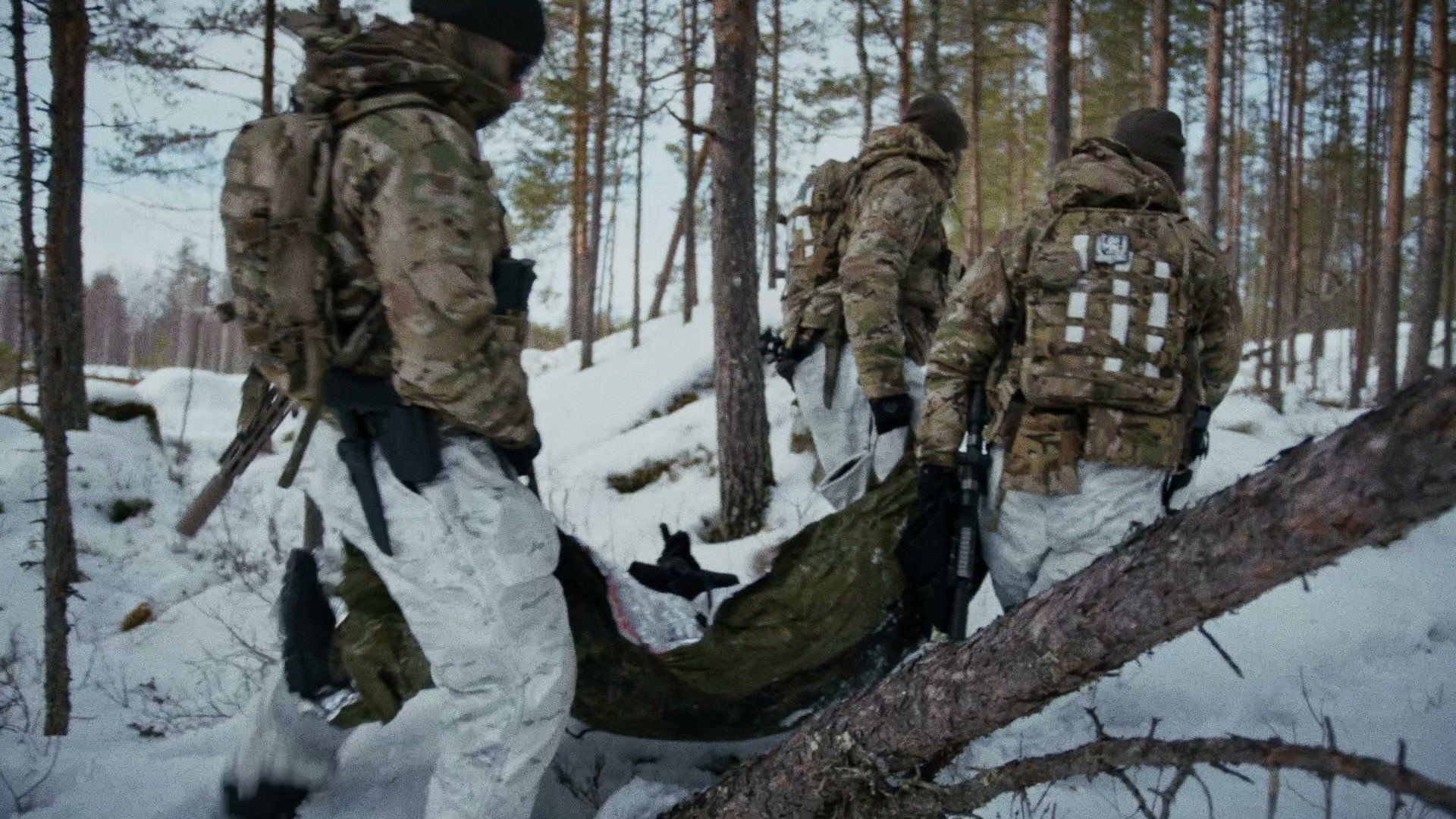
Internal Organization and Rapid Deployment Systems
The internal layout of an IFAK must reflect medical priority, ensuring life-saving tools are indexed and immediately accessible without searching through loose gear:
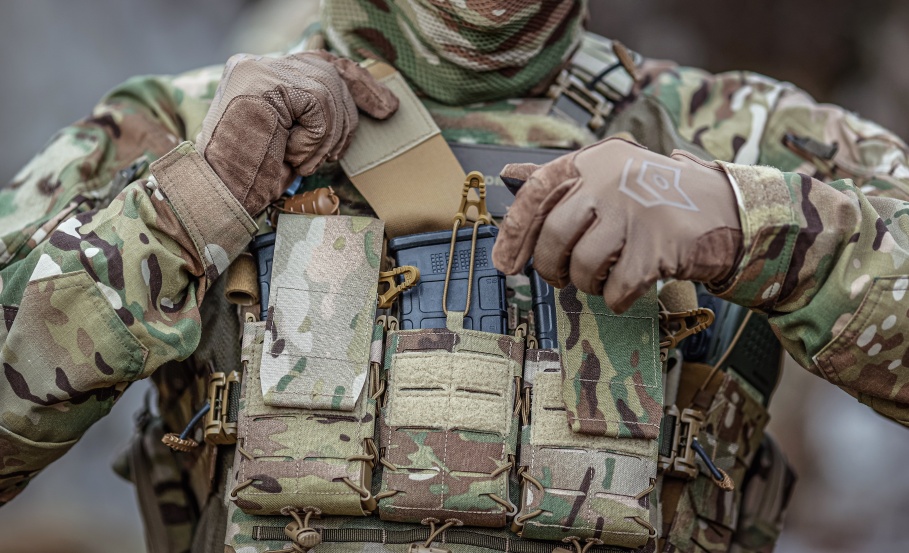
- Priority tiering: Primary interventions (tourniquet at the top, hemostatic gauze) occupy high-visibility elastic loops or priority pullout sleds, while secondary items sit in lower tiered pockets.
- Rip-Away vs. fixed low-profile: Dual-component rip-away sled systems allow the medical tray to be detached for casualty handoff. Low-profile fixed “shingle” designs keep the kit streamlined against plate carriers for tight vehicle operations.
- Retention and tethers: Heavy-duty elastic loops keep items indexed during rollovers, while tethers prevent critical gear from dropping into the dirt during low-light treatment.
Mounting Strategies and Ergonomic Placement
A medical pouch is useless if the operator cannot reach it with either hand while pinned on the ground:
- Centerline & sub-abdominal danglers: Positioned below the front plate, sub-abdominal dangler pouches offer the best possible ambidextrous access in most situations.
- MOLLE vs. belt & vehicle mounting: MOLLE/PALS offers maximum stability on plate carriers, while belt-slide setups provide versatility across loadouts. Headrest and seat mounts are recommended where vehicle time dominates the mission.
- In-kit movement audits: Teams must conduct mandatory placement drills—testing one-handed retrieval while lying fully prone, wearing full armor, and inside confined vehicle cabs.
Mission Selection and Sizing
Pouch selection must align directly with mission duration, transport method, and operator role:
- Micro-IFAKs: Engineered for concealment, low-profile operations, or LE work where minimal bulk is paramount. They contain only the immediate trauma essentials.
- Standard Line-1 IFAKs: The baseline for routine patrol and direct-action operations, carrying complete supplies for every MARCH step.
- Tiered sustainment: Equipment for critical point-of-injury interventions remains in the reachable primary pouch, while secondary sustainment items migrate to Line-2 or Line-3 packs.
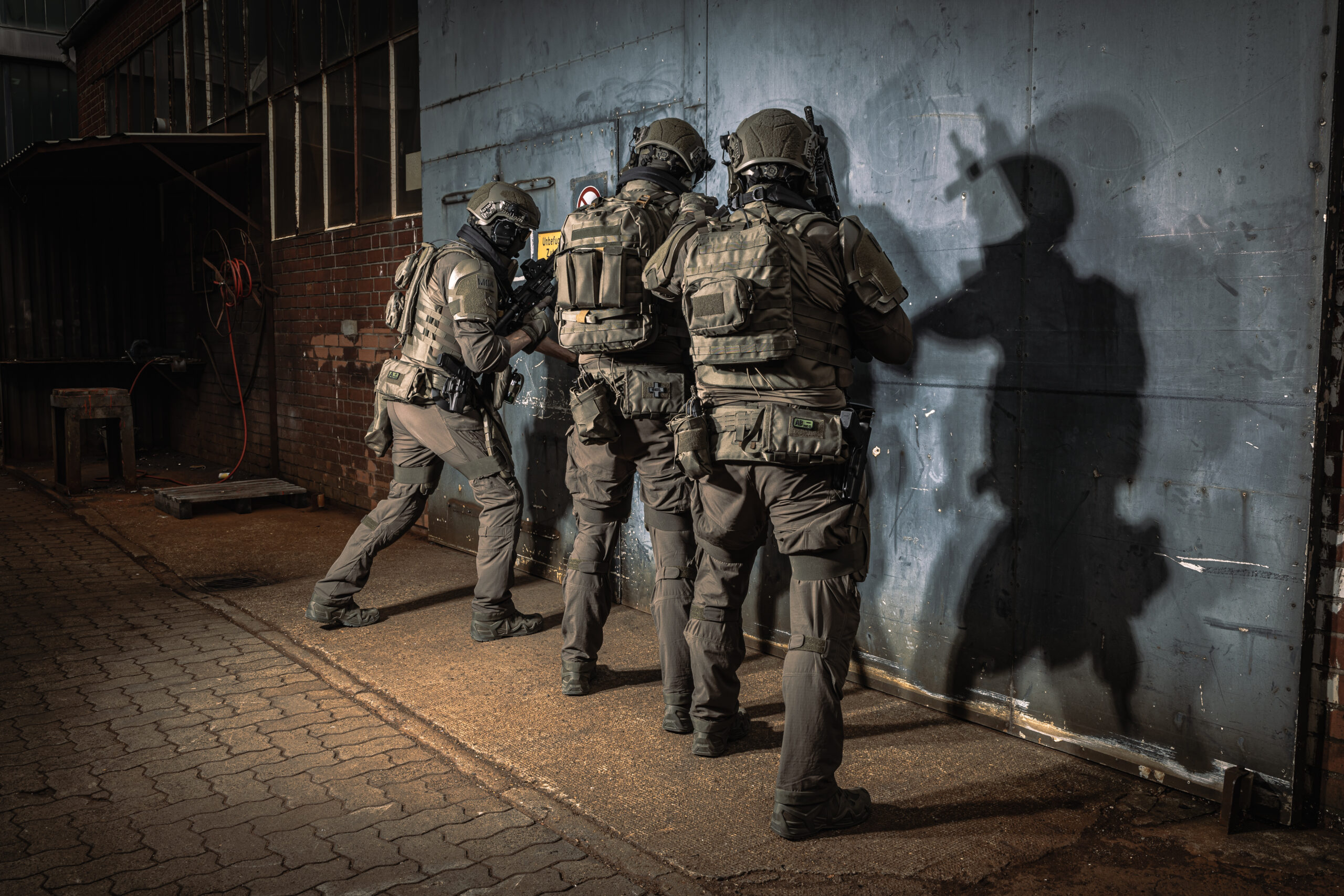
Vetting Checklist for Procurement and Operational Audits
When auditing team equipment or selecting vendor solutions, evaluate IFAK pouches against strict operational metrics:
- Deployment speed: Full deployment of primary trauma items using gross motor skills with either hand.
- Mechanical reliability: Proven zipper tensile strength, retention cycles after prolonged field use, and stocking in line with current CoTCCC recommendations.
- Manufacturer background: Priority should be given to manufacturers with a credible tactical background and real-world field feedback integrated into their designs.
Conclusion
Auditing your team’s medical pouches against real-world deployment times, material durability, and ergonomic mounting is a tactical necessity. Prioritize IFAK upgrades that eliminate failure modes, streamline retrieval, and ensure every second spent treating trauma counts toward saving a life.